



Inside Morgue Drawers: How the Deceased Are Stored

Morgue drawers are among the most recognizable — and least understood — parts of death care. Here's a plain, respectful look at how the deceased are actually stored.
What morgue drawers do
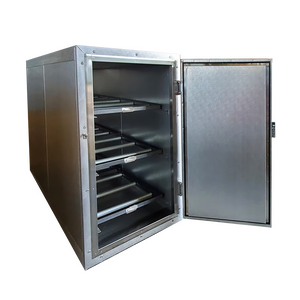
Morgue drawers (also called mortuary or cadaver drawers) are refrigerated storage units that preserve the deceased with dignity while slowing decomposition. Each body rests on its own sliding tray that pulls out for loading and retrieval, then slides back into the cold, enclosed unit.
The temperatures involved
Standard refrigerated storage holds remains at roughly 36–39°F (about 2–4°C) — cold enough to slow decomposition significantly for days to a few weeks. For longer-term storage, such as anatomy programs or unidentified remains, freezer units below freezing are used instead.
How long bodies are held
Holding time varies with circumstances — awaiting identification, autopsy, family arrangements, or release. Refrigeration buys the time those steps need. For a fuller answer, see our guide on how long a body can be refrigerated.
Drawer systems and alternatives
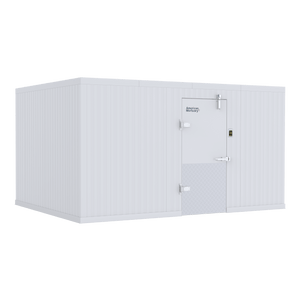
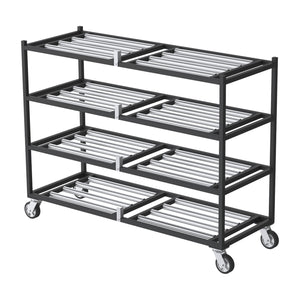
Drawer systems are standard in hospitals and forensic facilities; funeral homes often use walk-in or upright coolers with racks instead. For the options, see our guides to morgue storage options and the complete guide to mortuary coolers.
Need morgue drawer or rack storage?
American Mortuary Coolers builds drawer systems, rack-equipped walk-ins, and upright units that hold a steady 36–39°F, USA-made and shipped nationwide. Tell us your caseload.
Call 1-888-792-9315 or email cool@mymortuarycooler.com
